
On This Page
- 12 min read
Different Types of Drug Tests
We break down urine, hair, saliva, blood, sweat patch, and breath tests in plain English—what they detect, when each is used, detection windows, and fairness—so you can choose responsibly and read results confidently. No shortcuts or cheats. Just clear guidance.
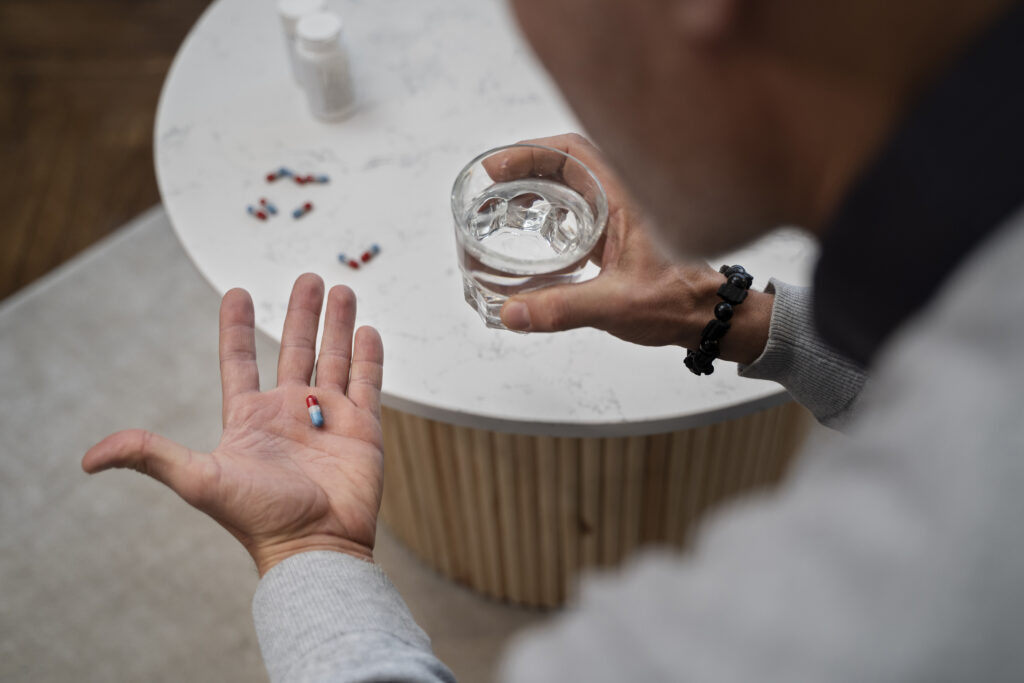
Drug tests aren’t interchangeable. Context changes the right choice
We promised clear guidance—so start with this: pre-employment and post-incident tests answer different questions. Picture an HR (human resources) manager filling a customer support role who orders a hair test to be “extra thorough.” Hair shows patterns over weeks to months, not present impairment. Result? An unnecessary 5–7 day delay, potential false alarms about long‑past use, and a frustrated candidate—when a standard lab urine screen with 1–3 day turnaround could have met the policy need cleanly.
Now switch scenes: a forklift bump triggers a reasonable‑suspicion check (triggered by observed signs or an incident), and a supervisor orders a routine urine test. Urine has a medium window and lab turnaround, so results land in 1–3 days. That misses the core question—recent impairment—and delays safety decisions. An observed oral‑fluid screen (saliva) can return preliminary results on‑site in minutes, with lab confirmation after, helping you act quickly and fairly.
Next, we’ll map the testing landscape in a clear, side‑by‑side guide—windows, use cases, turnaround, invasiveness, and tamper resistance—so you can match the right test to the right question.
Who Uses Drug Tests—and Why It Matters
We promised a clear map—so here’s how testing shows up in your world. Employment and compliance programs (pre-hire, random, post-incident) rely mainly on urine (a urine sample), saliva/oral fluid (mouth swab), and sometimes hair (a small snip). Healthcare and treatment settings mix urine with blood draws (a venous sample) when clinical accuracy is needed. Sports bodies blend urine and blood under strict protocols to protect fairness and safety.
Other tools fill specific gaps: sweat patches (adhesive collectors worn for days) support continuous monitoring; breath tests measure alcohol in real time; residue swabs check surfaces or hands for trace contamination, not ingestion. Behind the scenes, chain of custody (documented sample handling) and an MRO (Medical Review Officer, a physician reviewer) protect fairness. Most programs use a screen first, then confirm positives at a certified lab when needed.
The stakes are real: you want safety on the floor, compliance with policy and law, and outcomes that treat people fairly. Choose well and you get timely, defensible answers with minimal intrusion. Choose poorly and you risk delays, privacy issues, disputes, and lost trust. Timelines matter—hours versus days can change critical decisions.
So before you pick a method, anchor on four questions we use with employers, clinics, and families. Answer these and your choice gets clearer, faster.
- What timeframe matters here—hours, days, or months of history?
- Which substances are in scope for this policy or situation?
- How fast must results arrive, and what budget and invasiveness fit?
- What tamper resistance and legal defensibility does this case require?
Where Good Intentions Go Wrong With Testing
When those questions get skipped, confusion shows up fast. We see oral‑fluid (saliva) ordered to “track history,” even though it’s built to detect very recent use. We see hair testing expected to prove what happened this morning, when it reflects weeks to months. Rapid strips (point‑of‑care screens) get treated as final verdicts, without lab confirmation. And cutoff thresholds—minimum levels set to reduce false positives—get misread as “zero tolerance,” creating needless conflict. The result is the same: wrong expectations, avoidable appeals, and people who feel blindsided.
Flip the script: a clinic wants to monitor a treatment plan over months and chooses oral fluid because it’s convenient. Weeks later, they realize the window is too short for trend monitoring. Or an HR (human resources) team buys instant cups for speed, then discovers policy requires confirmation at a certified laboratory. Even well‑meaning managers can misread a dilute result or an invalid specimen as refusal, when it may indicate collection issues. Small misunderstandings snowball into grievances, re-tests, and costs that dwarf the price of choosing correctly upfront.
Think “screen” first, “confirm” if needed. An immunoassay screen (an antibody-based first pass) flags possible positives quickly. Confirmatory testing like GC/MS (gas chromatography/mass spectrometry) or LC‑MS/MS (liquid chromatography with tandem mass spectrometry) precisely identifies and quantifies compounds. Screens are presumptive because cross‑reactivity can happen; confirmations provide the legally defensible answer.
Small Testing Mistakes, Bigger Risks Downstream
Picture this chain: a non-observed urine screen says “negative,” so a supervisor assumes no recent use and clears a safety-sensitive driver. Later, an incident prompts review, and counsel notes the context called for oral fluid or blood. Disputes trigger re-testing, but there’s no airtight chain of custody (documented handling), so findings lack weight. Meanwhile, deadlines in a DOT (U.S. Department of Transportation) program or employer policy are missed. Costs, delays, and trust issues spike—all from one mismatched test.
Or reverse it: a hair test flags past exposure, and leadership treats it like proof of on-the-job impairment. The employee disputes, an MRO (Medical Review Officer, physician reviewer) requests documentation, and a lab blood test shows no current use. Without a solid chain-of-custody from the start, the case unravels. Emotions escalate, managers spend hours in meetings, and legal counsel gets involved. What began as a quick screen becomes weeks of process, reputation damage, and avoidable expense.
These pitfalls are common—and preventable. Fix them now to protect people, policies, and timelines.
- Confusing a long detection window with proof of current impairment.
- Treating a non‑negative screen as final without lab confirmation.
- Skipping medication disclosures and MRO (doctor reviewer) consultation.
- Skipping chain-of-custody documentation in workplace or legal cases.
Avoid chain-of-custody missteps—use this quick comparison
| Test type | Typical detection window | Best for | Key limitations | Tamper resistance | Relative cost | Turnaround time |
|---|---|---|---|---|---|---|
| Urine (lab-confirmed) | ~1–3 days; longer for some compounds | Broad workplace screening; standard employment programs | Adulteration risk; hydration effects; requires lab confirmation | Moderate with observed collection and validity checks | Low | Hours to 1–2 days |
| Urine (rapid/strip) | Similar to lab urine detection windows | On-site preliminary screening before lab send-out | Presumptive only; higher false positives/negatives | Low–moderate; unobserved collections are vulnerable | Very low | Minutes |
| Hair | ~7–90 days (longest routine window) | Long-term patterns; repeated use over weeks–months | Poor for very recent use; fairness concerns with hair types | High; difficult to substitute or adulterate | Higher | 1–3 days |
| Saliva (oral fluid) | ~12–48 hours (short window) | Recent use; post-incident or reasonable suspicion | Lower sensitivity for some analytes; shorter window | Moderate; observed collection reduces tampering | Low–moderate | Hours to 1 day |
| Blood | Hours to ~1–2 days (very short) | Current presence; clinical or legal confirmation | Invasive; short window; requires trained staff | High with medical chain-of-custody | High | Hours to 1 day |
| Sweat patch | Continuous collection over 7–14 days | Ongoing monitoring in programs or probation | Limited labs; not for pinpoint timing | High; tamper-evident adhesive and seals | Moderate–high | Lab-dependent reporting |
| Breath (alcohol) | Minutes to hours (alcohol only) | Real-time impairment checks; roadside or workplace | Alcohol only; requires calibration and training | High with calibrated, observed testing | Low–moderate | Immediate |
| Residue swab | Detects presence on items or skin, not people | Security screening; surfaces, vehicles, work areas | Cannot prove personal use or impairment | Moderate; environmental contamination possible | Low | Minutes |
Urine Drug Testing: Panels, Cutoffs, Confirmation
After seeing ‘Minutes’ in the table, you might wonder where urine fits. It isn’t an instant test—it’s popular because it balances access, cost, and comfort. We see most programs use it first because you can collect a sample almost anywhere, without needles, and ship it to a certified lab. Panels are simply menus of target drug classes: common options are 5‑panel, 10‑panel, or expanded 12–15+. Employers and clinics pick what aligns with policy and safety goals. Turnaround is usually hours to a couple of days, which suits pre‑employment and routine monitoring.
Cutoffs are minimum concentrations a screen must detect to report positive. Results below the cutoff read negative, even if trace amounts exist, because programs aim to reduce false positives from incidental exposure. That’s why a ‘negative’ doesn’t mean ‘never’; it means ‘below the program’s threshold at testing time.’ Labs also run specimen validity checks—temperature at collection and markers like creatinine (a dilution indicator)—to flag tampering or overhydration. Panel names don’t guarantee exact substances; read the included analytes and policy notes. Risky ‘hacks’ are unsafe and often detected.
Any non‑negative screen must be confirmed by GC/MS (gas chromatography/mass spectrometry) or LC‑MS/MS (liquid chromatography with tandem mass spectrometry) at a certified lab, followed by MRO review (Medical Review Officer, a physician) to evaluate prescriptions, cross‑reactivity, and context. That’s what makes results defensible.
Quick scan: urine testing’s upsides and tradeoffs at a glance—use it to match policy goals to method.
- Pro: Low cost and broad availability—nationwide sites, simple collection, predictable logistics.
- Pro: Configurable panels—5, 10, 12–15+—to align with policy and role risk.
- Con: Vulnerable to dilution/adulteration attempts; requires specimen validity checks to catch issues.
- Con: Requires lab confirmation and MRO review for legally defensible positives.
Detection windows vary. Four factors drive most differences below; if you need months of history, hair testing fits better—coming next.
- Dose and frequency: heavier or repeated use can extend how long metabolites linger.
- Time since last use: longer gaps reduce metabolite levels in urine.
- Metabolism and body composition: liver/kidney function and body fat affect clearance.
- Hydration/concentration: very dilute samples may trigger validity flags or retesting.
Hair Drug Testing, Explained
If dilution flags in urine keep tripping you up, hair testing takes a different path. As hair grows, trace metabolites (breakdown products of substances) are deposited inside the hair shaft via the bloodstream. That turns strands into a timeline. A 1.5‑inch sample cut nearest the scalp reflects roughly the past 90 days, while the freshest half‑inch is the most recent slice. Because you can’t easily dilute, swap, or fake a snip, programs use hair to see patterns over time. It’s built for history, not a moment in time.
When a program needs a three‑month view, we often recommend labs segment the sample into three half‑inch pieces to show month‑by‑month trends. For example, Segment A (closest to scalp) maps the most recent period, while Segments B and C show earlier weeks. Collection is simple: a small lock from the crown, about the width of a shoelace tip. It’s discreet. Labs perform decontamination washes to remove surface residue and focus on metabolites embedded inside the hair, which boosts tamper resistance and confidence. That’s why hair testing is favored for longitudinal monitoring in workplaces, treatment programs, and legal settings.
Limitations matter. Hair testing isn’t ideal for very recent use, and while labs wash samples to control external contamination, no method is perfect. Short hair, heavy bleaching, or natural differences in hair chemistry can affect eligibility or interpretation. Need a snapshot of the last hours to a day or two? Oral fluid (saliva) fits—coming next.
Saliva Testing: Fast, Observed, Recent-Use Detectio
If you need a snapshot of the last hours to a day or two, this is it. Oral fluid (saliva) testing is built for recency: typical windows run ~12–48 hours, with observed collection that’s hard to tamper. In post-incident or reasonable suspicion moments, supervisors can collect on-site and get a preliminary screen in 10–15 minutes, then send to a lab for confirmation. It’s simple—no bathrooms, no needles—and the person stays in view throughout. One nuance we flag for clients: some devices show more variability detecting THC (tetrahydrocannabinol), so policies should require lab confirmation for any non‑negative.
Collection is straightforward: the person avoids eating, drinking, or smoking for about 10 minutes, swabs cheeks and tongue until a volume indicator turns, and seals the device under chain of custody (documented handling). Because it targets recent use, it’s strong for roadside-style checks, post-incident reviews, and return‑to‑duty spot checks. Tradeoffs? The short window can miss earlier use, and certain analytes are less sensitive in saliva than urine. Many programs now recognize oral fluid as an approved workplace method, but always match it to your policy question. Need a definitive, clinical read on what’s in the bloodstream right now? Blood testing comes next.
Blood Testing: Short-Window Precision
You asked for a definitive, clinical read on what’s in the bloodstream right now—this is it: blood testing. It detects active compounds and clinically relevant metabolites in serum or plasma (the liquid part of blood), so results reflect current presence, not long‑past use. The window is short—hours to about 1–2 days—making it a fit for post‑incident, emergency, or legal contexts that demand precision. Because defensibility matters, a trained phlebotomist (venous blood‑draw specialist) collects under strict chain of custody (documented handling from draw to lab). Certified laboratories then run highly specific analyses suitable for medical review and courtroom scrutiny.
Tradeoffs are real. Blood draws are invasive, cost more than urine or saliva, and require medical settings—so we reserve them for narrow, urgent questions. Example: a post‑accident draw at 3 p.m. reaches the lab by 6 p.m.; an LC‑MS/MS report (high‑precision mass spectrometry) posts the next morning, then an MRO review (Medical Review Officer, physician oversight) validates context. Use blood when you need a snapshot tied to a specific time. Need days of continuous visibility rather than a moment‑in‑time read? Sweat‑patch monitoring covers that use case—let’s walk through it next.
Sweat Patch Testing: Continuous, Tamper‑Evident Monitoring
You needed days of continuous visibility, not a one‑moment snapshot. That’s exactly what a sweat patch delivers. A clinician places a clear adhesive patch on a clean, hair‑free area (usually upper arm, shoulder blade, or lower back). Inside is an absorbent pad that collects sweat over 7–14 days while you go about normal life. The perimeter adhesive is tamper‑evident (attempted lifting leaves damage) and the outer film acts as an environmental barrier, reducing outside contamination. When the wear period ends, the patch is removed, sealed, and shipped under chain‑of‑custody (documented handling) to a certified lab.
What happens at the lab? Technicians extract the pad, perform an immunoassay screen (a rapid antibody test), and confirm any non‑negative by GC/MS or LC‑MS/MS (gas or liquid chromatography with mass spectrometry). You get continuous coverage, strong tamper resistance, and no need for daily visits. Tradeoffs exist: mild skin irritation in a small share of wearers, a visible patch that some find stigmatizing, and limited ability to pinpoint the exact hour of use. Example: a court program may choose a 10‑day patch to monitor adherence between hearings. Need real‑time alcohol checks or trace detection on surfaces? We’ll tackle breath and residue next.
Breath Alcohol and Residue Testing
So yes—when you need real-time alcohol checks or trace detection on surfaces, breath and residue testing step in. A breath test estimates blood alcohol content from your breath sample, producing on-screen numbers in seconds and printable reports in minutes. Law enforcement uses it roadside; workplaces use it for post-incident or reasonable-suspicion checks when impairment matters right now. Residue swabs are different: they sample hands, lockers, steering wheels, or desktops to find trace presence in an environment. That helps airports, schools, and factories spot hotspots, but it does not prove someone used a substance or was impaired.
To keep breath results defensible, programs use calibrated devices and trained operators, document each test, and, when needed, follow with an evidential unit (a higher-standard instrument) or blood confirmation. In practice, a supervisor can screen a driver in under two minutes and make a safety call while a formal report prints. Residue swabs are best treated as screening tools: a positive swab can trigger cleaning, expanded area testing, or policy education—not discipline of a specific person without corroboration. That clarity should lower your stress. Next up, what actually shows on standard panels and how cutoffs, confirmations, and prescriptions fit the story.
What Shows Up on 5–15+ Drug Panels
As promised, here’s what actually shows up on standard panels. Panels are configurable—anywhere from 3 to 25 analytes—so you’re not locked into a one-size list. Many employers start with 5, 10, or 12–15-panel menus, then tailor by role or regulation: DOT (U.S. Department of Transportation) programs use a defined 5‑panel, while healthcare or security roles add sedatives or synthetic opioids. We’ll cover how cutoffs and confirmation shape results next.
A common baseline is a 10‑panel. Labels vary by lab, but you’ll typically see these categories:
- Amphetamines: Methamphetamine, MDMA (ecstasy), amphetamine-class stimulants.
- Cannabinoids (THC, tetrahydrocannabinol): Marijuana, hash, concentrates; excluded when below program cutoffs.
- Cocaine: Powder and crack forms; detects primary metabolites.
- Opiates: Heroin, codeine, morphine; some panels add semi‑synthetics separately.
- Phencyclidine (PCP): Angel dust; dissociative anesthetic.
- Barbiturates: Phenobarbital, butalbital; sedative‑hypnotics.
- Benzodiazepines: Diazepam, alprazolam, clonazepam; commonly prescribed anxiolytics.
- Methaqualone: Quaaludes; legacy sedative where applicable.
- Methadone: Synthetic opioid analgesic; treatment medication.
- Propoxyphene: Legacy analgesic; included only in some regions.
How to Read Drug Test Results Responsibly
After scanning those panel categories—even legacy items like propoxyphene—you’re probably asking: what does my report mean? Start with three buckets. Negative means the analyte tested below the program’s cutoff (the minimum level used to reduce false positives) at the time of collection. Non‑negative means the screen flagged something and needs laboratory confirmation. Positive is only used after confirmation. A negative doesn’t prove lifetime absence or even absence last week; it reflects this test, this sample, and this window. Example: a saliva test can be negative today yet a hair test later may show past‑month patterns.
Cutoffs and windows vary by method, panel, and lab, which is why context matters. Screens use immunoassay (an antibody‑based first pass) that’s fast but can cross‑react; confirmations use GC/MS or LC‑MS/MS (chromatography with mass spectrometry that precisely identifies compounds). So a Monday on‑site cup that’s non‑negative for benzodiazepines might be reported Wednesday as negative after confirmation, or as positive with a valid prescription documented. Either way, the final, defensible answer is the confirmed result reviewed by a physician. Tip: always check the collection date/time and specimen type first—it explains most “how can it be negative?” questions.
An MRO (Medical Review Officer, a physician trained in toxicology and regulations) validates positives, verifies prescriptions and dosing, and contacts the donor when needed. We provide chain‑of‑custody forms, lab data, and your medication documentation. That review protects fairness and keeps results defensible.
Use this quick checklist to read results fairly and avoid disputes.
- Treat all screens as presumptive until a certified lab confirms.
- Document collection time, context, and all prescriptions, OTC drugs, and supplements.
- Use full chain‑of‑custody for workplace, legal, or clinical decisions.
- Consult policy, regulations, and HR or counsel before taking adverse action.
At‑Home vs Lab Testing
So after consulting policy, regulations, and HR or counsel, which testing channel fits—an at‑home screen or a lab test? At‑home strips and oral devices give you privacy and speed: results in 5–15 minutes, useful for a personal check before a Monday interview. They are screening only, not final. There’s no chain of custody (documented handling), no MRO review (Medical Review Officer), and no legal defensibility. Treat any non‑negative as a signal to pause and confirm at a certified lab, and never use an at‑home result to take adverse action.
Lab testing trades speed for certainty. You get documented chain of custody, immunoassay screening, and GC/MS or LC‑MS/MS confirmation (chromatography/mass spectrometry that precisely identifies compounds), plus MRO review for prescriptions. Turnaround is usually 24–72 hours, costs more, and requires a collection site—but decisions hold up to policy and audits. If you use at‑home tools, look for FDA‑cleared (U.S. Food and Drug Administration) devices, check expiration dates, and read panel cutoffs. For workplace, legal, or clinical calls, confirm at a CLIA‑certified lab (Clinical Laboratory Improvement Amendments). Next, we’ll cover consent, notice, and policy basics.
If you’re focused on everyday wellness, start with the basics: steady hydration, sleep, and balanced meals. Some customers choose our detox drink as a simple hydration and antioxidant support. It is not a way to beat tests. Always follow policies, laws, and your clinician’s guidance.
Legal and Employer Policy Basics
We just said to follow policies and laws—so how do you actually do that at work? Start by knowing which rulebook applies. DOT (U.S. Department of Transportation) safety‑sensitive roles follow 49 CFR Part 40 (federal drug and alcohol testing rules): defined panels, observed collections in some cases, and mandatory MRO (Medical Review Officer) review. In non‑DOT workplaces, state and local laws drive the details. Example: some states allow random testing broadly; others restrict it to safety‑sensitive roles or require written notice and post‑offer timing. Add medical privacy and disability rights: the ADA (Americans with Disabilities Act) protects lawful prescription use and requires reasonable accommodation. This is education, not legal advice—loop in HR or counsel early.
Consent, notice, and confidentiality keep programs defensible. Many states require written consent and a clear policy before testing; union CBAs (collective bargaining agreements) may add steps. Marijuana laws vary widely: legal off‑duty use in some states, zero tolerance in DOT roles, and carve‑outs for safety‑sensitive positions. Practical example: an employee discloses medication‑assisted treatment; you document, send non‑negative results for confirmation, and the MRO evaluates prescriptions before any decision. Keep medical data confidential and separate from personnel files. When policies define who is tested, when, and how results are used, disputes drop. Unsure? Pause and call HR or counsel. With guardrails set, let’s debunk risky “detox hacks” next
Drug Testing Myths vs Facts
We just said to pause and consult HR (human resources) or legal when unsure. Now, clear out the myths that spark re-tests and grievances. Fix these, then we’ll pick the right test with a framework.
- Myth: All tests detect the same window — Fact: Windows vary from hours (saliva) to months (hair). Example: post‑incident checks use saliva; 90‑day history uses hair.
- Myth: A screen equals a final result — Fact: Only confirmed positives count. Example: instant cup shows non‑negative Monday; lab confirmation with physician review reports Wednesday.
- Myth: Hydration makes you “pass” — Fact: Water dilutes urine, triggers validity checks, and can invalidate results. Example: low creatinine prompts recollection or an observed retest.
- Myth: Residue on items proves use — Fact: Swabs show environmental exposure, not consumption or impairment. Example: a locker swab positive while employee’s test is negative.
- Myth: A detox drink can beat tests — Fact: Cheating is unethical and often illegal. For general wellness only, see our drug detox drink resources.
Choose the Right Test in Five Steps
With myths off the table—and no shortcuts—let’s turn clarity into action. Use this five-step path to define your question, pick a fair test, and lock in defensible documentation.
- Timeframe: Are you checking recent use (hours–days) or history (weeks–months)? Example: post-incident = hours; pre-employment = days; long-term monitoring = months.
- Substances: List what’s in scope per policy—cannabinoids, opioids, benzodiazepines, stimulants. Note safety‑sensitive specifics and required medical disclosures for prescriptions.
- Constraints: Rank cost, speed, invasiveness, and tamper resistance. Example: roadside needs minutes and observation; treatment court values continuous monitoring; HR may need low cost and lab confirmation.
- Match: Use the comparison table plus policy. Saliva for short windows; urine for standard employment; hair for history; blood for clinical/legal; sweat patch for continuous monitoring.
- Confirm: Plan lab confirmation, MRO review (physician oversight), and chain‑of‑custody documentation. Set turnaround, notify stakeholders, and prepare prescriptions/notes. Result: timely, fair, defensible decisions.
Your ethical test-day checklist
You’ve lined up confirmation and MRO (Medical Review Officer) review—use this quick checklist to avoid delays, dilute results, and paperwork hiccups, so your test is smooth, compliant, and stress‑free.
- Bring: Government ID and any required paperwork (order form, policy notice).
- Bring: A current list of prescriptions and supplements, plus prescriber/pharmacy contacts.
- Do: Disclose relevant medications to the collector or MRO when asked.
- Do: Hydrate normally—avoid excessive water that may cause dilution flags.
- Do: Follow collection instructions; do not attempt adulteration—it’s unsafe and detectable.
Exploring wellness cleanses for everyday health? See our educational guide—focused on hydration and antioxidant support, not test evasion—at drug detox drink.
Wellness habits that support your body’s detox pathways
Since you’re exploring wellness cleanses and hydration for everyday health, let’s ground it in the basics. Sleep comes first: aim for 7–9 hours so your liver and kidneys can do their overnight housekeeping. Hydration supports that work. Most adults do well with roughly 2–3 liters of fluids daily, more with heat or workouts; urine that’s pale straw is a quick check. Add electrolytes sensibly if you sweat heavily. These habits help your body do what it already does. They are general wellness practices—not guarantees of any test outcome, and never a way to subvert policies or laws.
Build your plate around fiber and color: 2–3 cups of vegetables and 1–2 cups of fruit daily, plus whole grains and lean protein. Fiber targets 25–38 grams per day support regularity and a healthy gut. Keep added sugar and ultra‑processed foods low most days. Move your body consistently: the CDC (Centers for Disease Control and Prevention) recommends 150 minutes weekly of moderate activity or 75 minutes vigorous, plus 2 strength sessions. Example: a 20‑minute walk after dinner, five nights a week, gets you to 100 minutes fast. Consistency wins. None of this replaces medical care or changes test outcomes.
Some readers like to research supportive beverages. If that’s you, see our product info for Optimal Kleen Detox Drink 16 fl oz. Use it for hydration support only—never to evade testing policies or laws.
Choose confidently, support your health
We just ended on hydration support—not a shortcut—and that’s the point: ethical, lawful testing comes first. Tests answer different questions based on window, purpose, and defensibility. Use the comparison table and our five‑step framework to match the method to your situation. Example: pre‑employment next week? A lab urine test with 24–72 hour turnaround fits. Post‑incident today? Observed saliva gives on‑site minutes with lab confirmation after. Always confirm non‑negatives, disclose prescriptions to the MRO (Medical Review Officer), document chain of custody, and follow written policy.
Now, turn clarity into action. Pick your test type, set timelines, and schedule collection with chain of custody documented. Share consent and policy in writing, and prepare medication documentation up front—this alone prevents most disputes we see. Plan confirmation before you need it: screens first, GC/MS or LC‑MS/MS (chromatography/mass spectrometry) for any non‑negative, with MRO review. Example: hiring a class of 10? Standard lab urine, 2–3 day turnaround. Investigating a forklift bump? Oral fluid minutes on‑site, then lab. Keep wellness first—sleep, hydration, movement—and stay transparent.
Our standards, reviewers, and trusted sources
Below are the primary sources we cite throughout: federal guidelines, medical references, and peer‑reviewed research that keep our guidance accurate and fair.
- SAMHSA (Substance Abuse and Mental Health Services Administration): Federal drug testing guidelines, cutoff standards, and laboratory certification resources.
- NIDA (National Institute on Drug Abuse): Research on substances, detection windows,and testing science summaries for public education.
- CDC (Centers for Disease Control and Prevention): Public health data, epidemiology, and context for substance use trends.
- DOT (U.S. Department of Transportation): Safety‑sensitive testing regulations, including 49 CFR Part 40 procedures and requirements.
- Peer‑reviewed journals: Analytical methods and detection research, including GC/MS and LC‑MS/MS confirmation standards.
Get Expert Help
Have a question about testing?