
On This Page
- 12 min read
How to Take a Drug Test at Home | Urine Drug Testing for MAT
Feeling nervous about a supervised at-home urine test for medication-assisted treatment (MAT)? You’re not alone. We’ll walk you through a simple, shame-free, 7‑step process—plus quick checklists and real‑world troubleshooting—so you know exactly what to expect. We never coach test evasion, and our wellness products aren’t intended to alter results. Ready? Download the 10‑minute prep checklist and get optional reminders.
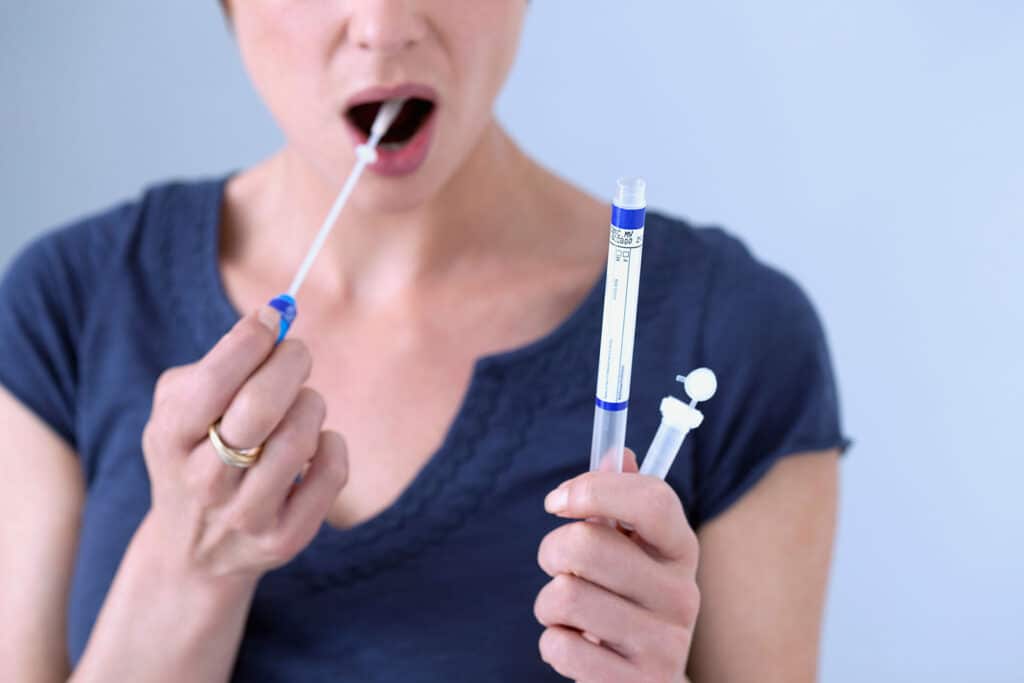
Why testing in MAT supports your safety and care
Before you tap that checklist, it helps to know why testing is part of medication‑assisted treatment (MAT). Testing confirms medication adherence (for example, that buprenorphine is present), checks for risky interactions, and helps your team adjust care safely. It’s patient‑centered, not punitive. Results are interpreted by clinicians who know your history, medications, and goals. When used this way, testing builds trust and keeps treatment on track.
So what should you expect? Teams use results to guide practical decisions—dose adjustments, check‑ins, or extra supports—not to judge you. Initial screens are quick and can have cross‑reactions; unexpected findings are typically confirmed with GC/MS (gas chromatography/mass spectrometry) or LC/MS (liquid chromatography/mass spectrometry) before any decisions. Frequency often decreases as you stabilize. Your privacy is protected by HIPAA (health privacy law) and 42 CFR Part 2 (extra protections for substance use treatment). Quick myths: poppy seeds aren’t a reliable excuse, and chugging water can cause a dilute, inconclusive sample.
Worried about testing? You’re not alone
You might be thinking, “Do I really have to be on camera in my bathroom?” We hear that a lot. Others worry about shipping the kit, storing it correctly, or whether the temperature strip will read low. Faint lines can look confusing. Some days, it’s just hard to provide enough volume on the clock. And timing adds pressure: “What if I miss the window?” If a quick screen shows something unexpected, you might fear judgment or consequences. That’s understandable. Our job is to make each step clear, respectful, and doable in real life.
There are smaller stressors too: What exactly must be on camera, and what stays private? Is your lighting or angle okay? What if a label peels mid‑way, or the courier is late for pickup? Kit inserts can feel dense when you’re nervous. We’ll show you simple ways to set up your space, handle labels without smudging, and confirm shipping details. If anything feels unclear, you can pause and ask. Small tweaks prevent big headaches—and protect your dignity along the way.
One unexpected screen isn’t failure. It’s a preliminary result that usually leads to confirmatory testing and a supportive conversation about medications, supplements, or timing—so your care matches your reality.
Small mistakes can trigger avoidable retests
So why do tiny missteps cause big delays? Temperature checks verify the sample was just provided; if it’s not in the body‑temperature range within a few minutes, validity is questioned. The control line shows the test device worked correctly; no control line means the test is invalid. Soap, water, or hand sanitizer can contaminate a sample and skew results. Opening the kit early or storing it too hot or too cold can damage the test chemistry and seals. In plain English: the test is sensitive gear—treat it like a medical tool, not a kitchen sponge.
Timing matters too. Each kit has a read window; reading too soon can miss a developing line, and reading too late can show drying artifacts that look like results. During supervised visits, shaky cameras, poor lighting, or missed instructions can lead to confusion and repeats. None of this means you did something wrong—it just creates delay and stress. The fix is simple habits: follow the insert timing, keep your device steady, and ask questions in the moment. Next, we’ll show you the seven clear steps to make testing smooth.
- No control line: The test is invalid; your provider will guide a compliant repeat.
- Out-of-range temperature: Immediate flag for validity concerns; expect guidance for a supervised recollection.
- Visible contaminants: Suds, residue, unusual color, or clear dilution patterns can invalidate the sample.
- Tamper-evident seal issues: Broken or unsealed packaging before collection usually requires a new kit.
Your Calm, Seven-Step Guide to Supervised At‑Home Urine Testing
If any tamper‑evident seal looks broken, stop and request a new kit. When everything’s intact, follow your care team’s instructions and these seven steps; we’ll guide you from setup to ship‑off. Next, we’ll decode what the lines mean.
Step 1: Receive & store the kit: Keep it sealed in a climate‑controlled spot, away from heat, cold, or direct sun. Don’t open early.
Step 2: Prep your space: Clear counters, set bright, steady lighting, and wash hands. Remove soaps/cleaners from the splash zone. Have ID (photo identification) nearby; confirm privacy and accessibility needs.
Step 3: Join your video visit: Connect on time, verify ID, and keep the cup sealed until your clinician instructs. Ask about interpreter support or backup audio if Wi‑Fi (wireless internet) lags.
Step 4: Collect the sample: Fill to the minimum line without overfilling. Avoid contamination—no soap, water, additives, or others’ urine. If directed, keep the device outside the bathroom for dignity.
Step 5: Secure and check temperature: Close the lid firmly. Read the temperature strip (body‑heat check) promptly within the kit’s time window, and tell the observer the number.
Step 6: Share results on camera: Show labels, control line (device worked), panels, seals, and all sides as requested. Hold steady in good light; confirm what’s visible before moving on.
Step 7: Document & dispose: Note the collection time. Take permitted photos if asked. Seal, package, and arrange pickup/drop‑off per instructions; keep chain‑of‑custody forms (who handled the specimen) clean and complete.
What Your At‑Home Urine Test Shows
You nailed the pro tips—hydrated normally, kept seals intact, good lighting—now let’s read what you’re seeing. First, find the control line (often labeled C); without it, the device is invalid and your observer will guide a repeat. Next, think “expected” versus “unexpected.” In MAT, an expected screen usually means your treatment plan lines up—your prescribed medication is present if the kit includes that panel (for example, buprenorphine), and non‑prescribed substances are not indicated. That doesn’t judge you; it simply helps tailor care. If something looks off, pause, breathe, and remember screens are preliminary and your clinician reviews context.
Now, timing matters. Read within the window on your insert (for example, at 5 minutes, not after 10); set a phone timer. Late reads can show drying “ghost” lines that aren’t true results. Panels also vary by kit—some include buprenorphine (BUP, your treatment medication) or adulterant checks; others don’t. So if your screen differs from a friend’s, that’s normal. Your clinician confirms what each panel means for you and decides any follow‑up, like lab confirmation, conversation about medications or supplements, or a simple repeat. When in doubt, hold the device steady on camera and ask them to walk you through it.
- Important: Only your clinician interprets results and decides next steps.
- Important: Faint test lines can still mean negative—follow the kit legend.
- Important: Read within the kit’s time window; late reads can mislead.
What Happens After Your Results
You read within the kit’s time window—perfect. Now, what happens next? When your screen lines up with what you and your clinician expected, the observer documents it, the chain‑of‑custody (the tracking of who handled the specimen) is closed, and you continue your medication‑assisted treatment (MAT) plan as prescribed. Most clinics mark “no action needed,” keep your current dose, and schedule the next routine check—often in 1–4 weeks depending on your program stage. If you’ve been stable for a while, they may simply say, “Nice work—see you at your next visit,” and move testing to your regular appointment cadence.
That stability matters. As you maintain it, testing frequency often tapers—from weekly to every other week, then monthly—based on clinical judgment and clinic policy. We’ll confirm your next date during the visit, send a calendar invite, and, if you opt in, a 24‑hour reminder by text or email. Need a specific time window, interpreter, or accessibility support? Tell us early and we’ll build it in, so your care fits your life and there are no surprises.
If a panel is unexpected, we slow down—not shame. Your clinician will usually order confirmation by GC/MS (gas chromatography/mass spectrometry), review medications and supplements for cross‑reactions (false positives on quick screens), and talk through safety, triggers, and goals. You might see changes like extra check‑ins, a counseling referral, naloxone (overdose‑reversal medicine), or a dose adjustment. If tech or timing caused the issue, we’ll simply repeat. Next up: troubleshooting for hiccups.
Fast fixes for test hiccups
Since hiccups happen, here’s a quick matrix linking missing control lines, low temperature, faint lines, and leaks to likely causes and compliant next steps—so you avoid repeats and delays before our do’s and don’ts.
| Symptom | Likely cause | What to do now |
|---|---|---|
| Control line missing | Device malfunction or incorrect procedure | Stop. Do not interpret. Follow insert; contact your care team for a supervised retest. |
| Temperature strip out of range | Read delay or improper storage/handling | Read within window; never reheat or cool; notify observer and follow retest guidance. |
| Faint test line | Normal variation or borderline concentration/timing | Read at exact window; use legend; ask clinician to confirm. |
| Leaking lid | Improper closure or cup defect | Tighten lid; wipe exterior; show on camera; report spill if it affects reading. |
| Spilled sample | Handling error during collection or transfer | Pause. Do not refill. Notify observer; follow instructions for compliant recollection. |
| Peeling label confusion | Panels not fully exposed or label misaligned | Ask observer to guide peel; hold steady lighting; show all sides before proceeding. |
Do’s and Don’ts for Smooth, Valid Tests
You just learned to steady the camera and show all sides—great. These do’s and don’ts keep results valid and respectful; a 10‑second light check can save a 30‑minute retest. Next: privacy and dignity rights.
- Do: Follow your clinician’s instructions exactly, even if they differ from this guide.
- Do: Wash hands, dry thoroughly, and keep counters and cups free of soap.
- Do: Verify temperature promptly and read results only within the kit’s timing window.
- Do: Confirm bright lighting and a steady camera angle before showing panels and lines.
- Do: Store sealed kits cool and dry; avoid heat, freezing, or direct sun.
- Don’t: Open the kit early, break seals, or use expired materials.
- Don’t: Add water, cleaners, or any substance to the cup or sample.
- Don’t: Heat, cool, or microwave the sample—report issues and follow retest guidance.
- Don’t: Crowd the bathroom with extra devices or people unless the observer requests.
- Don’t: Self‑interpret complex results; ask your clinician to review and advise.
Your privacy, dignity, and rights—clearly explained
And you can ask who sees your results and what must be on camera—that’s your right. In a supervised remote collection, we explain the plan up front: you’ll show your sealed kit, valid ID, clean hands, the cup before/after, and the temperature strip. Many programs keep the phone just outside the bathroom with audio on; when video is required, we use an angle that verifies steps while protecting your body. Results and chain‑of‑custody (who handled the specimen) are documented in your medical chart. Recordings are uncommon; if recording is ever used, we tell you first. Ask us how your data is stored, encrypted, and shared.
Your autonomy comes first. You can request an interpreter, accessibility accommodations, or an observer who matches your gender identity when possible. If any instruction feels unsafe or unclear, say “pause”—we’ll stop, restate the requirement, or escalate to a supervisor. You may ask for confirmatory testing (lab methods like GC/MS—gas chromatography/mass spectrometry—or LC/MS—liquid chromatography/mass spectrometry) when a quick screen doesn’t fit your reality. Your information is protected by HIPAA (a U.S. health‑privacy law) and 42 CFR Part 2 (federal confidentiality rules for substance use treatment); we’ll explain who can access it and for how long. Want this in one page? Up next is your 10‑minute prep checklist.
Your 10‑Minute Test Prep Checklist
That one‑pager we promised? Here’s your 10‑minute checklist—space, supplies, and tech—so you’re set before the call, not scrambling after. Check these off, then we’ll share simple wellness habits between appointments.
- Prep: Confirm appointment time zone and kit on hand.
- Prep: Store kit at room temperature, away from heat or sun.
- Prep: Clear sink and counter; remove soaps, cleaners, and sprays.
- Prep: Test camera, lighting, sound, and internet; stabilize phone or laptop.
- Prep: Place a small trash bag and paper towel within reach.
- Prep: Plug in or keep your phone/computer charger within reach.
- Prep: Wash and dry hands thoroughly before unsealing any component.
- Prep: Have a valid government ID ready to show on camera.
- Prep: Set a timer for the kit’s read window per insert.
- Prep: Read the instruction insert once before you begin; keep it nearby.
Support Your Body Between Appointments
With your kit insert nearby, let’s talk about feeling better between appointments. Steady hydration works best—sip water through the day until your urine is pale yellow, rather than chugging right before a test. Aim for balanced meals with fiber, colorful vegetables, and lean protein; limit ultra‑processed snacks that spike and crash energy. Protect your sleep window—7 to 9 hours supports mood, cravings, and focus. Add gentle movement most days: a 10–20 minute walk, light strength, or stretching. Important: our wellness products support general wellbeing only and are never for adulterating or evading drug tests.
Make it doable, not perfect. Keep a refillable bottle nearby and aim for steady sips—about a glass with each meal and one between meals. If sleep is tricky, try a consistent wind‑down: dim lights 60 minutes before bed, stop caffeine by early afternoon, and do two minutes of slow breathing. For food, build plates: half vegetables, a quarter protein, a quarter whole grains. Gentle exercise adds up—150 minutes a week can be 20 minutes a day. Check any new supplement with your clinician. And to be crystal clear, nothing here is for cheating or altering test results.
If you’re exploring gentle wellness support, our Optimal Kleen Detox Drink 16 fl oz pairs best with normal hydration and healthy routines. It’s for general wellbeing only. It is not designed to cheat, mask, or alter drug test results—ever. Always check with your clinician before adding anything new. Got quick questions? We answer the most common ones next.
Your quick questions, answered
You asked for quick answers—here they are. These reflect general best practices for supervised at‑home testing; always follow your clinician’s instructions and your program’s policy if they differ.
Q: Can I open the kit before my visit? A: Keep it sealed until instructed on camera. Opening early can break chain‑of‑custody and invalidate results. Store at room temperature, away from heat and sun.
Q: What if I can’t provide enough urine? A: Don’t chug water. Try a short walk, normal hydration, and a brief pause. Ask your clinician about timing, rescheduling, or a supervised recollection if needed.
Q: How long do results take? A: Most rapid cups read in minutes per the insert (for example, at 5 minutes). Lab confirmation, if ordered, takes longer; your clinic will share timelines.
Q: Do faint lines count? A: Often yes—any visible line in the test area may be negative. Always follow the kit legend and read within the specified time window.
Q: What if my temperature reads low/high? A: Don’t heat or cool the sample. Read within the time window, report the value, and follow your clinician’s guidance for a compliant recollection if needed.
Q: Will one unexpected result end my treatment? A: Typically no. It usually prompts confirmatory testing and a supportive conversation about safety, medications, or timing—not discharge.
Q: What should I do with used materials? A: Follow the insert and your program’s instructions. If shipping, package as directed. Otherwise, dispose per local guidance; keep labels and forms clean.
Q: Can I refuse to show certain areas on camera? A: Programs set privacy‑protective angles. You’ll show ID, kit, hands, cup, and temperature. If uncomfortable, pause and ask your clinician for accommodations.
Author and Sources
- JAMA Health Forum 2021: Telehealth for SUD (substance use disorder) care and remote urine testing feasibility.
- SAMHSA (Substance Abuse and Mental Health Services Administration) TIP 63: Medications for Opioid Use Disorder guidance.
- Cleveland Clinic: Urine Drug Screen — Purpose, Procedure, and Results (patient education).
- 12‑Panel Urine Test Cup Instructions, CLIA‑waived (Clinical Laboratory Improvement Amendments) manufacturer insert.
Get Ready: Download Your 10‑Minute Prep Checklist
Now that you know who reviewed this guide and where our facts come from, grab the one‑page checklist to prep your next supervised at‑home test in 10 minutes. Print it or save it to your phone, and we’ll send optional reminders if you’d like. We support ethical, clinician‑aligned testing—never evasion or adulteration.
Get Expert Help
Have a question about testing?