
On This Page
- 12 min read
How Do Drug Tests Work? Understand the process, accuracy, and fair results
Pre-employment screen next week? Post-accident check today? Or you bought an at‑home kit just to see. Either way, the same worry pops up: what are they actually measuring, and how do labs decide positive versus negative? We wrote this guide to translate the process in plain English—no scare tactics, no gimmicks. We’ll explain what a 5‑ or 10‑panel (a standard group of drugs) looks for, why metabolites matter, how screens and confirmations differ, and what “cutoffs” mean. By the end, you’ll know what’s fair, what’s noise, and what you control.
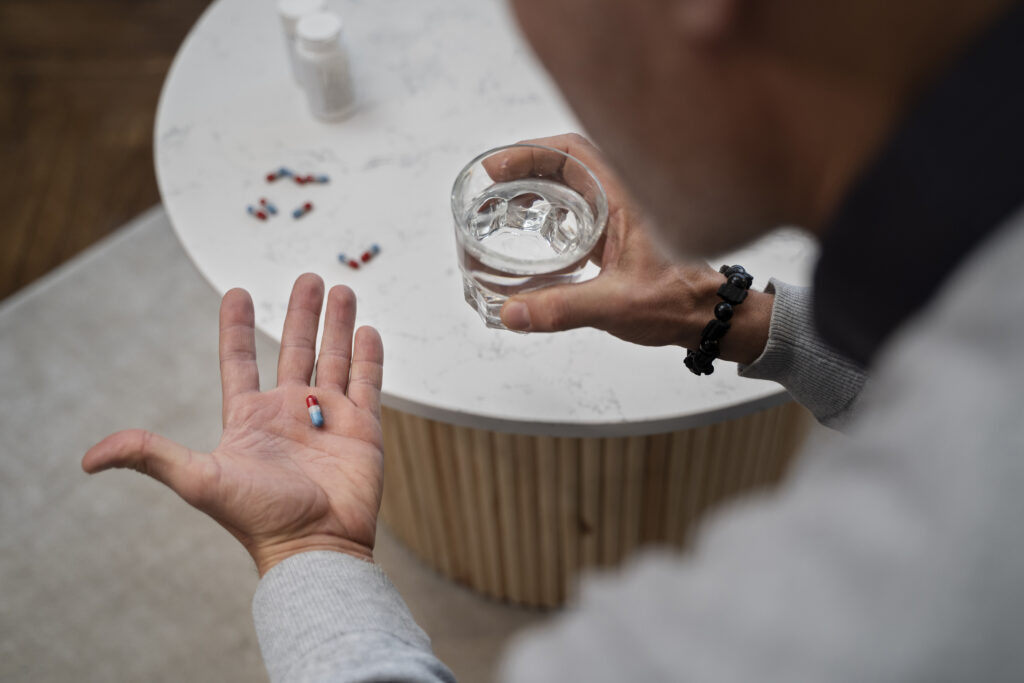
What labs look for and how results are decided
If you jumped here from the quick nav, you’re asking what labs measure. Most tests target metabolites (breakdown products) because they linger longer than the parent drug. First comes an immunoassay screen (a rapid antibody test)—quick and affordable, but it can cross‑react. Non‑negatives are confirmed by GC/MS or LC‑MS/MS, instruments that identify exact compounds with high specificity. Cutoff levels (e.g., 50 ng/mL) decide positive vs negative; traces below the cutoff are reported negative. We’ll keep it simple.
Panels (5‑ or 10‑panel) are menus—employers choose drug classes and cutoff thresholds. Many THC screens use 50 ng/mL with 15 ng/mL for confirmation, so secondhand smoke rarely meets them. Pseudoephedrine or bupropion can flag an amphetamine screen; confirmation sorts this out by measuring exact metabolites like THC‑COOH. Labs also check creatinine, specific gravity, pH, and oxidants to detect dilution or adulteration.
Myths that cause needless panic
Seen a faint line on an at‑home strip and panicked? A faint line is still a line. On most strips, any line in the test region means negative at that cutoff. Another myth: a positive must mean illicit abuse. Not always. A screen can flag from legitimate prescriptions or cross‑reactivity. That’s why labs confirm. People also assume at‑home equals lab‑grade. It doesn’t. At‑home kits are helpful screens, but lab methods are more specific and include confirmation. And timing isn’t universal. Two people can have different detection windows based on frequency, dose, metabolism, and body fat. So don’t compare your timeline to a friend’s chart.
Example: Poppy seed pastries once caused opiate flags; modern cutoffs greatly reduce that, but heavy consumption right before testing can still confuse a screen. Another: CBD products. If they contain THC, they can trigger a cannabinoid positive; quality matters, and some “THC‑free” items still contain trace THC. Also, not every panel tests for the same things. Some include oxycodone or fentanyl; some don’t. Saliva might detect very recent use; urine often covers a longer window; hair sees months, not days. Finally, “detox hacks” like vinegar or excessive water aren’t solutions. Labs check creatinine, specific gravity, pH, and oxidants, and can mark samples invalid or require recollection.
So what explains the surprises? Collection protocols, validity checks, and lab confirmation resolve most oddities and reduce false assumptions. Walk the steps with us—then we’ll show how accuracy is protected long before the lab report.
What happens during a drug test collection, step by step
Here’s a quick, illustrative walkthrough of a typical workplace urine collection. Procedures vary by employer and regulation, but professionalism and privacy are built into the process. Knowing the flow reduces stress and helps you show up prepared.
Step 1: Check-in and ID verification: Complete paperwork, consent forms, and present a valid government ID.
Step 2: Instructions and secure area: Collector explains rules, restricts items, and provides a secure restroom.
Step 3: Provide sample: Give urine within time window; don’t flush or wash until instructed.
Step 4: Temperature and seals: Collector checks temperature, seals bottles, and you initial labels.
Step 5: Documentation and handoff: Sign forms; sample enters chain-of-custody for lab shipment.
Urine is most common, but here’s what to expect with other collection types so nothing catches you off guard.
- Saliva/oral fluid: Noninvasive swab collects mouth fluid; detects recent use over a short window.
- Blood: A phlebotomist draws a small tube; detects current or very recent presence.
- Hair: A small lock cut near the scalp; shows longer‑term exposure, not recent use.
Chain-of-custody and validity checks protect accuracy
So after that hair snip or urine cup, what keeps your sample safe? Chain-of-custody (the paper trail for every hand-off) starts at the counter: you sign forms, bottles get tamper-evident seals, and every transfer is logged. Temperature is checked within minutes to confirm it was freshly provided. At the lab, validity tests look for normal ranges: creatinine (a kidney byproduct), specific gravity (urine concentration), pH (acidity), and oxidants (adulterants like bleach). Readings outside range can indicate dilution or tampering, so labs flag them for review. These safeguards protect you from mix-ups and protect employers from bad data.
What if something looks off? A low creatinine (often under 20 mg/dL) or unusual specific gravity can be reported as dilute; extreme pH or oxidants suggest adulteration. Next steps are procedural, not punitive: the result may be cancelled, and a recollection required—sometimes under direct observation. The Medical Review Officer (MRO, a physician who verifies results) may contact you to discuss prescriptions or medical factors. If it’s an administrative issue—mismatched seal, temperature out of range—you’ll typically provide another sample the same day. Bottom line: validity checks catch problems early so your final report reflects reality. Next up: which test types are used when.
Urine vs saliva vs blood vs hair: when each is used
With integrity and privacy protected, your next question is simple: which test type is used when? This snapshot compares window, turnaround, and use cases. Values are typical ranges and vary by policy, lab, and regulations. Substance-specific windows come next.
| Test type | What it detects | Typical window | Turnaround | Collection/invasiveness | Best for | Notes |
|---|---|---|---|---|---|---|
| Urine | Parent drugs and metabolites | Hours to ~3 days; THC longer with frequent use | Same day–2 days for screens; confirmations add 1–4 days | Noninvasive cup collection | Workplace testing and clinical screening | Widely used; includes sample validity checks |
| Saliva (oral fluid) | Recent use; parent drug focus | Up to 24–48 hours for many drugs | Same day–2 days | Noninvasive mouth swab | Reasonable suspicion and post-accident testing | Short window; strong for very recent use |
| Blood | Parent drugs (current levels) | Hours to about 24 hours | Same day–2 days | Invasive venipuncture draw | Driving under the influence cases, impairment assessment, clinical confirmation | Very short window; high evidential value |
| Hair | Drug metabolites incorporated in hair shaft | ~7–90 days depending on hair length | 2–5 days (lab processing) | Noninvasive small cut near scalp | Long-term patterns and monitoring | Not reliable for very recent use |
| Sweat patch | Continuous exposure captured over days | Days to weeks while worn | After removal and lab processing | Noninvasive adhesive patch on skin | Monitoring programs and compliance | Tracks exposure over time; fewer providers |
Typical detection windows by test type
Some tests track exposure over time and aren’t widely available—so how long do substances show up? These are typical ranges, not promises. Biology, dose, frequency, and lab cutoffs shift windows. Don’t try to manipulate results; validity checks catch it. Interpretation needs context—accuracy factors next.
| Substance/class | Urine | Saliva | Blood | Hair | Notes |
|---|---|---|---|---|---|
| THC (cannabis) | ~1–3 days; up to 30+ days in chronic use | ~6–24 hours | ~3–12 hours | ~7–90 days | Varies widely with frequency, body fat, and potency |
| Cocaine | ~1–3 days | ~5–24 hours | ~6–24 hours | ~7–90 days | Usually short windows unless heavy or repetitive use |
| Amphetamines | ~1–3 days | ~6–24 hours | ~6–24 hours | ~7–90 days | Some prescriptions cross-react on screens; confirmation resolves |
| Opiates/opioids | ~1–3 days; longer for some agents | ~6–24 hours | ~6–24 hours | ~7–90 days | Synthetic opioids vary by panel inclusion |
| Benzodiazepines | ~2–7 days; longer for long-acting forms | ~6–24 hours | ~6–24 hours | ~7–90 days | Long-acting agents persist longer; some assays miss glucuronides |
| Alcohol (EtG/EtS biomarkers) | ~24–72 hours (EtG/EtS) | ~6–12 hours | ~6–12 hours | Not typical | EtG/EtS = ethyl glucuronide/ethyl sulfate; more sensitive than ethanol |
| Phencyclidine (PCP) | ~1–3 days | ~6–24 hours | ~6–24 hours | ~7–90 days | Less commonly screened today; policy dependent |
What affects accuracy—and how labs safeguard results
Since some panels are policy‑dependent, accuracy depends on a few real‑world factors. Here’s the short list—and how labs counter them—before we get into MRO (Medical Review Officer) review for positives.
- Timing: Collection too soon or too late can miss windows; frequency and dose matter.
- Hydration/dilution: Labs check creatinine and specific gravity to flag dilute urine before reporting results.
- Cross-reactivity: OTC (over‑the‑counter) and Rx (prescription) meds can flag screens; GC/MS or LC‑MS/MS confirmation identifies exact compounds.
- Storage/handling: Temperature, pH, and sealed chain‑of‑custody prevent degradation, mix‑ups, and tampering artifacts.
- Panel differences: Employer panels vary; some include fentanyl or oxycodone, others don’t—negatives reflect the menu tested.
If You Screen Positive: Confirmation and MRO Review
Because we focus on wellness, not guarantees, here’s what happens if a screen flags positive. The initial immunoassay (fast antibody screen) is only a first pass; the lab must confirm with GC/MS or LC‑MS/MS (mass‑spectrometry instruments that identify exact compounds). Next, a Medical Review Officer (MRO, a physician) contacts you to discuss prescriptions, supplements, and medical history before finalizing. Bring context. For example, an amphetamine screen can be verified negative with a valid Adderall prescription, while CBD with trace THC may be verified positive if policy tests cannabinoids.
If you’re notified of a positive, pause, then take these steps to keep the review accurate.
- Gather documentation: Prescription label, doctor’s letter, and your prescribing physician’s contact information and dosage instructions.
- Ask about confirmation: Verify a GC/MS or LC‑MS/MS confirmation was completed on the specimen.
- Clarify cutoffs and panel: Ask which drugs were included and the screen/confirmation cutoff levels.
- Follow policy: Contact HR or the clinic and follow written procedures for next steps.
Interpreting Negatives: What They Do—and Don’t—Prove
After you follow policy for positives, what if your report comes back negative? We see this often: negative means nothing detected above the cutoff, not guaranteed zero. Here are common reasons a negative isn’t definitive.
- Wrong panel: The tested menu didn’t include that drug class (e.g., no fentanyl or oxycodone panel).
- Too-early/too-late timing: Collection missed the detection window based on dose,frequency, and metabolism.
- Improper handling: Delayed shipping, heat, or container issues degraded the specimen before analysis.
- Dilution: Creatinine or specific gravity outside range; lab may call dilute or cancel and recollect.
- Testing error: Rare, but if suspected, request a recollection or split-specimen retest per policy.
If a negative conflicts with clinical facts or policy, ask the requester or clinician about retest protocols, split-specimen (a second sealed bottle), or an alternative specimen type (saliva, blood, or hair). Wondering when results arrive? We’ll cover timing next.
How long results take and why timelines vary
You wondered when results arrive; here’s how timing works. On-site urine screens can be same day, while lab confirmations add 1–4 business days; keep your phone on for the reviewing doctor’s call to avoid delays.
- Reason for test: Pre-employment and random screens move quickly; post-accident or legal cases may prioritize speed.
- Test type: Urine and saliva return fastest; hair testing requires lab prep and takes longer.
- Confirmation required: Any non-negative screen goes to GC/MS (chromatography/mass spectrometry) confirmation, adding about 1–4 business days.
- Backlog/logistics: Shipping time, holidays, and high lab volume can delay reports without meaning bad news.
Ethical test-day prep: simple, responsible steps
Even when labs run behind, you control how you show up. We recommend this ethical checklist: bring documentation, hydrate normally, and avoid confounders like poppy seeds so your results reflect reality—not avoidable mix-ups.
- Bring documentation: Government ID and current prescriptions; keep labels or a doctor note ready.
- Follow instructions: Read the requester’s prep sheet; follow fasting or arrival rules exactly.
- Normal hydration: Drink water as usual; overdoing it can trigger a dilute flag.
- Avoid poppy seeds: Skip heavy poppy foods 24 hours before unless policy says otherwise.
- List OTC meds: Disclose antihistamines, decongestants, and supplements if asked during the review.
- Rest and timing: Sleep well, arrive early, and ask about shy-bladder or collection windows.
- Ask questions: If anything’s unclear, confirm with the collector before you provide the sample.
For everyday hydration and gentle cleansing, explore our detox drink. We design wellness products for routine use—not for cheating, masking, or altering test outcomes. Use responsibly and talk with your healthcare provider.
Our commitment to honest, research-informed wellness
You just read how we focus on everyday hydration and gentle cleansing—not shortcuts. That’s the lens we use to build every Natural Cleanse Detox formula. We source natural ingredients, rely on research to guide doses and combinations, and keep labels transparent with plain-English names and amounts. Thousands of customers trust us because we’re clear about what our products do—and don’t—do. Example: Optimal Kleen’s 16 fl oz format lists every ingredient and serving amount, and our team answers product questions fast. We never promise test outcomes; we focus on wellness and customer care.
Quick Drug Testing FAQs
Since we never promise test outcomes, here are quick, honest answers to the questions we hear most—so you can navigate testing with calm and clarity.
- Do all employers drug test?: Policies vary by industry and role; many test pre‑employment, fewer test post‑hire. Always check the written policy.
- Are at-home tests reliable?: Helpful for screening and timing checks, but only lab confirmation (mass spectrometry) verifies positives and rules out cross‑reactivity.
- Can secondhand smoke cause a positive?: Unlikely at modern cutoffs; unventilated exposure might flag a screen, and confirmation with physician review clarifies.
- What if I can’t provide a sample?: Sites follow shy‑bladder protocols: extra time,measured water, and return attempts; ask collector about options.
- Who sees my results?: Usually the requester and the reviewing physician; labs and collectors restrict access under privacy policies and applicable laws.
Ready for private, trusted next steps?
Since you now know who sees your results, you can choose smart next steps. Keep learning with clear resources, or explore wellness support that fits your routine. We start with education—always.
- Learn more: Bookmark this guide, and talk with your healthcare provider for advice tailored to your medications and history.
- Explore drug detox drink: Read Optimal Kleen details for hydration and gentle cleansing—wellness only, no cheating or test guarantees.
- Browse our drug detox drink options: See all options focused on everyday wellness and transparency—never to alter, mask, or falsify drug tests.
Get Expert Help
Have a question about testing?