
On This Page
- 12 min read
How Long Cocaine Stays in Your System
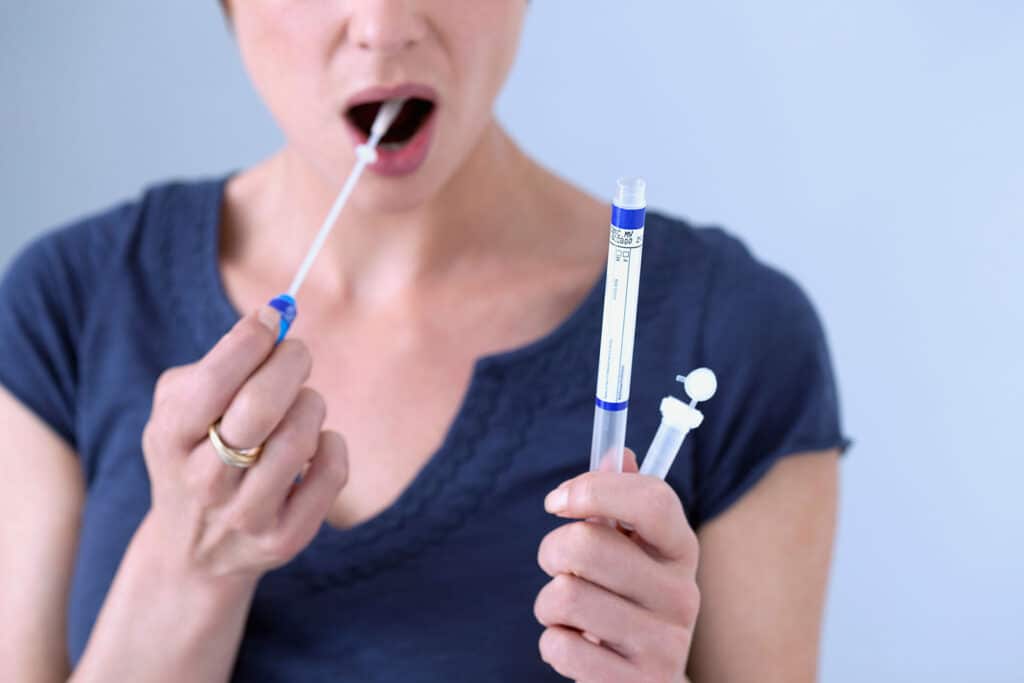
The Short High, The Long Tail
You’re asking how long cocaine stays in your system because a real moment is coming—maybe a job screen Friday or a court check Monday. We get it, no judgment. Tests don’t look for the buzz; they look for metabolites (the breakdown products) like benzoylecgonine. And the window shifts with the sample type (urine, saliva, blood, hair), dose, and use pattern. A single line on a cup can change a job offer, insurance rate, or probation status.
That’s why two people using the same amount can test differently. Cocaine’s effects fade fast (about an hour), but its metabolite benzoylecgonine can linger: urine often shows days, while hair can record roughly 90 days. Saliva and blood clear sooner, yet heavy or frequent use, alcohol co-use (forms cocaethylene), slower metabolism, or liver/kidney issues can extend detection. Your biology, the lab’s cutoff (the concentration threshold), and timing all matter.
Next up: a clear, at-a-glance detection window by test type and use pattern.
Quick Answer: Detection Windows at a Glance
As promised, here’s the conservative snapshot—actual ranges can shift with lab cutoffs, assay sensitivity, hydration, your use pattern, and biology; plan for the long end.*
| Test type | First detectable | Typical detection | Extended window (heavy/chronic) |
|---|---|---|---|
| Urine | 3–6 hours | ~1–3 days | Up to ~7–10+ days |
| Blood | 1–6 hours | ~6–24 hours | Up to ~48 hours |
| Saliva | 1–6 hours | ~12–24 hours | Up to ~48 hours |
| Hair | 7–10 days after use | ~30–90 days | 90+ days, depends on length |
Our goal is wellness, not shortcuts. If you’re rebuilding routine, our detox drink supports hydration and normal detox pathways; it doesn’t guarantee test results.
Why Windows Vary So Widely
Those ranges move because detection is a mix of use pattern and physiology. Frequency and total amount, route (snorted, smoked, injected), and session length change how much metabolite you produce. Liver and kidney health, age, sex, body composition, and hydration affect how fast you clear it. Alcohol can create cocaethylene (a longer‑lasting, more toxic metabolite). Finally, lab choices matter: lower cutoffs and sensitive confirmation (GC/LC–MS, lab instruments that verify results) can pick up smaller amounts.
Example: two people take the same dose Saturday night. Person A is well‑rested, hydrated, and stops after one line; their urine may clear in 1–3 days. Person B binges over two days, drinks alcohol (forming cocaethylene), sleeps poorly, and has mild kidney disease; their urine could remain positive 5–10+ days. Same drug, different biology and behavior.
Quick self-check: consider these factors before you trust the chart.
- Frequency and total amount used recently
- Route (snorted, smoked, injected) and session length
- Alcohol co-use creating cocaethylene metabolite
- Hydration status and recent exercise/sweating
- Liver/kidney function and overall health
- Body composition and metabolism variability
- Test cutoff sensitivity and lab methods
What Makes It Longer or Shorter
You just saw how cutoffs and lab methods change results. This matrix shows direction, not guarantees—plan conservatively. Quick example: weekend binge plus alcohol usually means a longer urine window than a single small dose.
| Factor | Effect on window | Why it matters |
|---|---|---|
| Heavy or chronic use | Longer | Metabolites build up in tissues |
| Higher test sensitivity (lower cutoff) | Longer | Detects smaller metabolite amounts |
| Alcohol with cocaine | Longer | Cocaethylene forms and lingers |
| Dehydration | Variable | Concentrates urine; may raise levels |
| Good liver/kidney function | Shorter | Faster clearance of metabolites |
| Single small dose | Shorter | Lower total load to process |
| Higher body fat | Longer | Distribution and slower elimination |
| Hair bleaching or dyeing | Unreliable | May damage but doesn’t ensure removal |
Myths vs. Reality
If bleaching won’t erase metabolites, let’s separate the other quick-fix myths—water-loading, vinegar, niacin, saunas—from evidence so you can choose safer steps.
- Myth: Chugging gallons of water clears tests fast. Reality: Overhydration risks hyponatremia (dangerously low sodium); diluted urine is flagged by labs; only time meaningfully reduces benzoylecgonine levels.
- Myth: Vinegar, niacin, or ‘cleanses’ burn metabolites. Reality: No credible evidence; niacin can harm the liver and heart; vinegar won’t change lab results.
- Myth: A hard workout right before testing helps. Reality: Intense exercise can mobilize metabolites from tissues, briefly raising urine levels; not advised.
- Myth: Secondhand exposure causes positives. Reality: With modern workplace cutoffs, passive exposure is unlikely; confirmed results use lab mass spectrometry to rule out contamination.
While your body clears metabolites, focus on safe, supportive habits—not risky hacks. These steps protect your health and help your system normalize in 24–72 hours.
- Prioritize sleep (7–9 hours); deep rest steadies heart rate and stress hormones after stimulants.
- Hydrate sensibly with water and electrolytes; steady sips beat chugging, and avoid overhydration.
- Eat balanced meals with protein, fiber, and complex carbs to stabilize energy and mood.
- Avoid alcohol; mixing with cocaine forms cocaethylene (a more toxic, longer-lasting metabolite).
- Give yourself time; avoid re-exposure, high-risk settings, and intense heat or saunas.
If you’re rebuilding healthy routines, our wellness guides on the drug detox drink category explain hydration, electrolytes, and natural ingredients that support normal detox—never as a shortcut or test guarantee.
What Tests Really Measure
Those wellness steps support your body’s own cleanup, but why does time matter so much? Cocaine itself clears fast—its plasma half-life is about one hour. Your liver and blood enzymes quickly turn it into benzoylecgonine (the main lab target), ecgonine methyl ester (EME, another metabolite), and, with alcohol, cocaethylene (longer‑lasting and riskier). Tests look for those breakdown products, not the brief buzz.
These metabolites linger longer than cocaine, so where labs look changes the timeline. Urine concentrates benzoylecgonine for roughly 1–3 days after single use; saliva and blood clear sooner; hair archives months by locking compounds into growing strands. Labs screen with immunoassays (antibody tests) and confirm with GC/MS or LC–MS/MS (chromatography–mass spectrometry). Cutoffs set the minimum level reported. Hydration shifts concentration a bit—it doesn’t erase metabolites.
Below is a quick analyte and cutoff snapshot; programs and labs set different thresholds.
| Test type | Primary analyte | Common screen cutoff | Confirm cutoff | Notes |
|---|---|---|---|---|
| Urine | Benzoylecgonine | ~150–300 ng/mL | ~100–150 ng/mL | Federal and commercial programs differ |
| Blood | Cocaine plus metabolites | Lab-dependent | Lab-dependent | Short window; clinical and forensic use |
| Saliva | Cocaine plus benzoylecgonine | ~10–50 ng/mL | Lab-dependent | Rapid onset detectability |
| Hair | Cocaine plus benzoylecgonine | ~0.1–1.0 ng/mg | Lab-dependent | Reflects longer-term use (segments) |
If You’re Facing a Test, Start With This Plan
With strict lab confirmations and chain-of-custody, a calm, ethical plan matters. Follow these health-first steps—no risky shortcuts. We’ll move into a 24–72 hour recovery next.
- Step 1: Confirm the test type and timing — urine vs saliva vs hair have different windows; knowing the day and sample lets you plan conservatively.
- Step 2: Avoid alcohol and further use — alcohol forms cocaethylene, which can extend detection and increase heart and liver risk.
- Step 3: Hydrate and eat normally — steady water plus electrolytes; avoid overhydration or diuretics that dilute urine and trigger invalid or flagged results.
- Step 4: Bring prescriptions or documentation — list meds, procedures, and provider contacts; give them to the collector or medical review officer if asked.
- Step 5: Rest and reduce stress — prioritize 7–9 hours of sleep; steady breathing and light movement can lower adrenaline and stabilize heart rate.
- Step 6: Be truthful if required — follow policy, ask clarifying questions, and prioritize safety; deceptive tactics risk termination and legal consequences.
For hydration support as you rebuild routine, our Optimal Kleen Detox Drink 16 fl oz pairs fluids and electrolytes. It supports wellness, not test outcomes, and works best alongside rest and time.
24–72 Hour Recovery Care Checklist
Hydration works best with rest and time—so what should your next 24–72 hours look like? Use this checklist to support wellness, not guarantee outcomes.
- Schedule regular meals and snacks every 3–4 hours; include protein, complex carbs, and produce to steady energy.
- Aim for consistent bed and wake times; target 7–9 hours and a dark, cool room.
- Hydrate with water and electrolytes; pale straw urine is ideal—avoid chugging that causes clear, diluted samples.
- Choose light movement like 10–20 minute walks; avoid intense bursts within 24 hours of a urine test.
- Skip alcohol and stimulants; mixing can form cocaethylene and worsen anxiety, heart strain, and sleep disruption.
- Lean on supportive friends or family; set one check‑in call or text per day for accountability.
- Plan time buffers for stress reduction: 10-minute breathing, short walks, or a warm shower before bed.
- If concerned, consult a healthcare professional; seek urgent care for chest pain, severe headache, fainting, or breathlessness.
Want beverage options that support hydration and routine? Explore our drug detox drink guide for ingredients and timing tips—smart, natural support, never a magic fix or guarantee.
Cocaine Detection FAQs
Dialing in hydration and routine is a great start. General info only; timelines vary by biology and lab policies. Need support? See help resources next.
- Q: Can a one-time use be detected? A: Sometimes; urine often 1–3 days, shorter in blood/saliva; hair may record it later.
- Q: How do chronic users differ? A: Longer windows from accumulation; urine may reach 7–10+ days, and hair almost always records patterns.
- Q: Do poppy seeds cause cocaine positives? A: No—that’s opioids; cocaine confirmations target unique metabolites like benzoylecgonine.
- Q: Will secondhand smoke cause a positive? A: Unlikely with modern cutoffs; confirmatory testing (lab chromatography–mass spectrometry) typically rules out incidental exposure.
- Q: Does bleaching hair remove evidence? A: It can reduce detected levels or damage samples, but labs adjust methods; it’s not a reliable way to erase results.
- Q: Are home test kits as strict as labs? A: Many use higher screening cutoffs; laboratory confirmations are more sensitive and specific.
- Q: What about cocaethylene if I drank alcohol? A: It can extend detection and increase heart and liver risks; plan for the longer window.
- Q: Can hydration alone clear me faster? A: It supports normal kidney function, but only time meaningfully lowers benzoylecgonine levels.
- Q: Is saliva testing common? A: Less common than urine in many workplaces; the window is shorter, usually up to about 48 hours.
- Q: Can medications cause false positives? A: Rare on confirmation; mass spectrometry (lab separation and identification) resolves most cross-reactivity and lists legitimate prescriptions to the reviewer.
When To Reach Out For Help
Even when confirmatory testing clears up false positives, the bigger question remains: how are you doing day to day? If work, relationships, or health feel shaky—missed deadlines, arguments, chest fluttering—talk with a healthcare professional. You deserve support, not judgment. You can call the SAMHSA National Helpline at 1-800-662-HELP (4357) for free, confidential help 24/7. If you have chest pain, trouble breathing, severe headache, or feel unsafe, call 911 or go to the nearest emergency department.
Prefer local options? Many communities offer same-day clinics, telehealth visits, and peer groups that meet weekly. Ask your primary care provider, a community health center, or an employee assistance program for referrals. If you continue to use, prioritize safety: avoid mixing with alcohol, don’t use alone, and keep emergency contacts handy. Confidential help exists, and a small step today can steady the next week.
Our role is education and wellness. Explore our guides and natural products that support hydration and routine—not shortcuts or guarantees. We’ll walk this with you, one steady step at a time.
Our Editorial and Medical Review Standards
So how do we keep those steps steady? We hold our guides to strict editorial and medical review. Our content is written by experienced health writers and vetted by a licensed clinician (MD/PharmD) for accuracy and balance. We refresh facts when standards change—at minimum quarterly. Last updated: January 2026. Educational information only; not a substitute for personal medical advice.
We apply a double-check process: cite primary sources (SAMHSA—Substance Abuse and Mental Health Services Administration; NIDA—National Institute on Drug Abuse) and peer‑reviewed toxicology, then translate jargon into plain English. If we’re unsure, we don’t publish. Our products support wellness routines only and never promise test outcomes; they are not intended to diagnose, treat, cure, or prevent any disease.
Sources
Because we promised rigorous, unbiased guidance, here are the representative, authoritative sources behind our numbers—peer‑reviewed papers and U.S. government standards you can verify.
- HHS and SAMHSA (Substance Abuse and Mental Health) drug testing guidelines: initial/confirm cutoffs for urine and oral fluid.
- NIDA (National Institute on Drug Abuse) resources on cocaine pharmacology, metabolism, and key metabolites like benzoylecgonine.
- CDC (Centers for Disease Control) and NIH (National Institutes of Health) guidance on stimulant health effects and risks.
- Quest Diagnostics and Labcorp technical bulletins on detection windows, cutoffs, and confirmation procedures across specimen types.
- Peer‑reviewed pharmacokinetic studies detailing benzoylecgonine half‑life, urine excretion profiles, and variability by dose and chronicity.
- Research on cocaethylene formation when alcohol and cocaine mix, with cardiovascular and hepatic risk outcomes and extended detection.
- Systematic reviews of hair testing: incorporation mechanisms, external contamination controls, and detection periods by segment length.
- Manufacturer white papers for oral fluid assays: sensitivity, specificity, cutoffs, and window comparisons versus urine and blood.
Your Next Steps, Health First
You’ve got the sources—now what? Let’s turn facts into action. Plan for the long end: urine 1–3 days after single use, up to 7–10+ days with frequent use; saliva and blood shorter; hair around 90 days. We prioritize safety and transparency. Explore our wellness guides—no shortcuts or guarantees—and plan calmly.
Windows vary with biology, dose, timing, and lab cutoffs, so give yourself time and choose habits that help: stop use, hydrate sensibly, sleep, eat balanced meals. Keep learning with our plain-English articles, and if you need support, reach out. We’re here to help you make health-first, confident choices.
Get Expert Help
Have a question about testing?